Indigo: Variations in Blue

Indigo: Variations in Blue
Aiken-Rhett House Museum
Charleston, SC
March 13–June 28, 2026
The exhibition Indigo: Variations in Blue brought together various artworks—primarily textiles, but also fiber pieces, paper, ceramics, installations, and video—in a broad consideration of indigo’s beauty and complex history. It centered on artists engaging with the medium and its memory in the present day, and considered these within a context of collaboration. The exhibition included several local indigo artists in addition to three artists associated with the Foundation for Spirituality and the Arts (FSA) in whom they found kindred spirits. The Aiken-Rhett House itself, besides serving as a locus for the exhibition, also provided its architectural and propositional structure.
About the Exhibition
The term ‘indigo’ describes a startlingly diverse range of blue dyes derived from precursor compounds residing in several plant species across the world, most notably of the Indigofera genus. In many cultures, the color—redolent of sky, water, nature, divinity, among other things—was highly prized and invariably carried a ritual, spiritual, or otherworldly value. Although indigo is attested in a range of contexts spanning nearly eight thousand years, it was employed primarily in textiles. Indigo-dyed cloths, as well the plants, knowledge, and labor required to produce them, became vital commodities in the transregional and transoceanic networks linking Asia, the Middle East, Africa, Europe and the Americas.
Select Images and Media


"Rivers of my Fathers, No. 1," Monique de La Tour (2026)
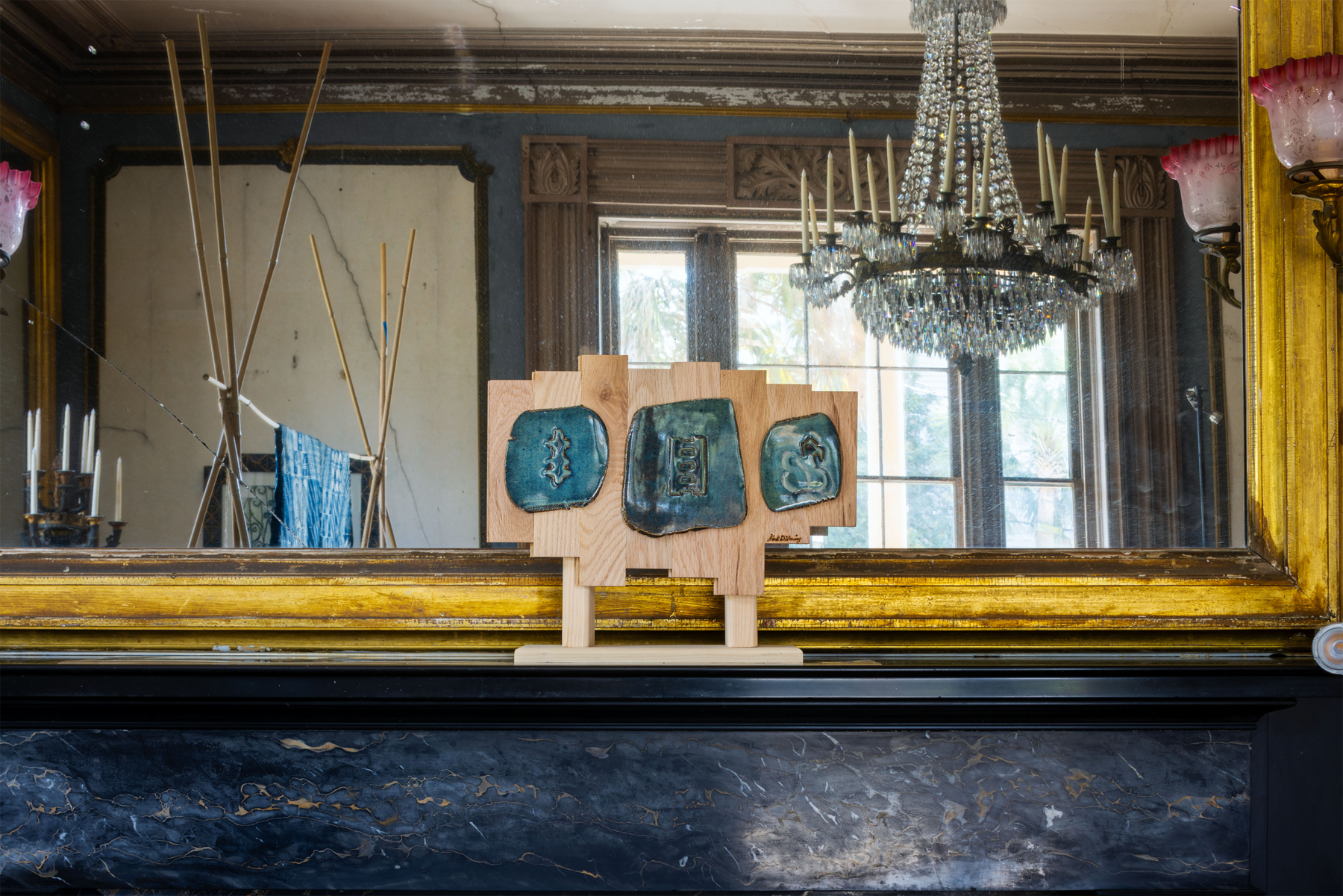
"The Attributes of Kings (Adinkra Tiles)," Hank D. Herring (2026)
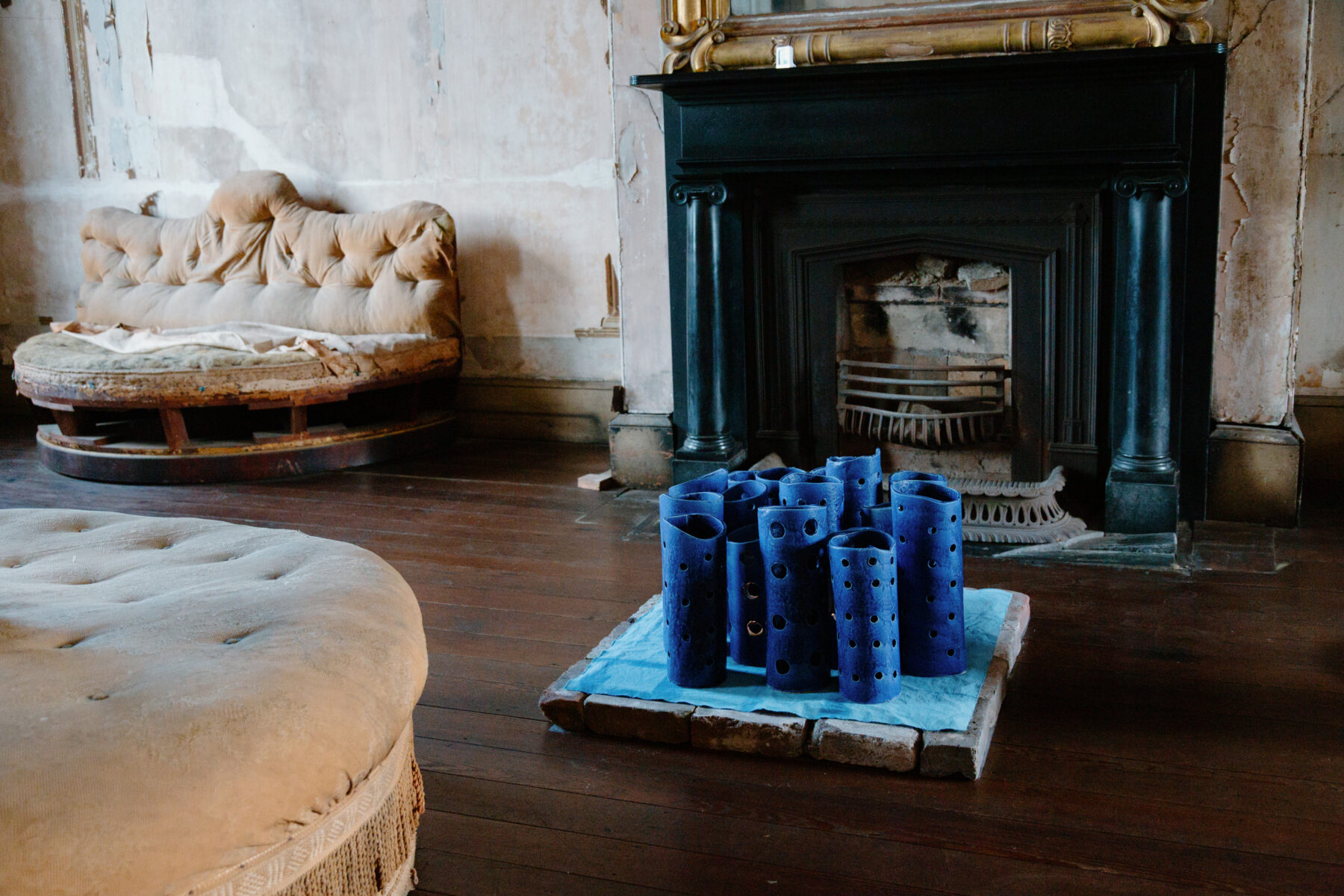
"Blue|Light," Hank D. Herring (2026)

"Flight Pattern," Precious Jennings (2026)
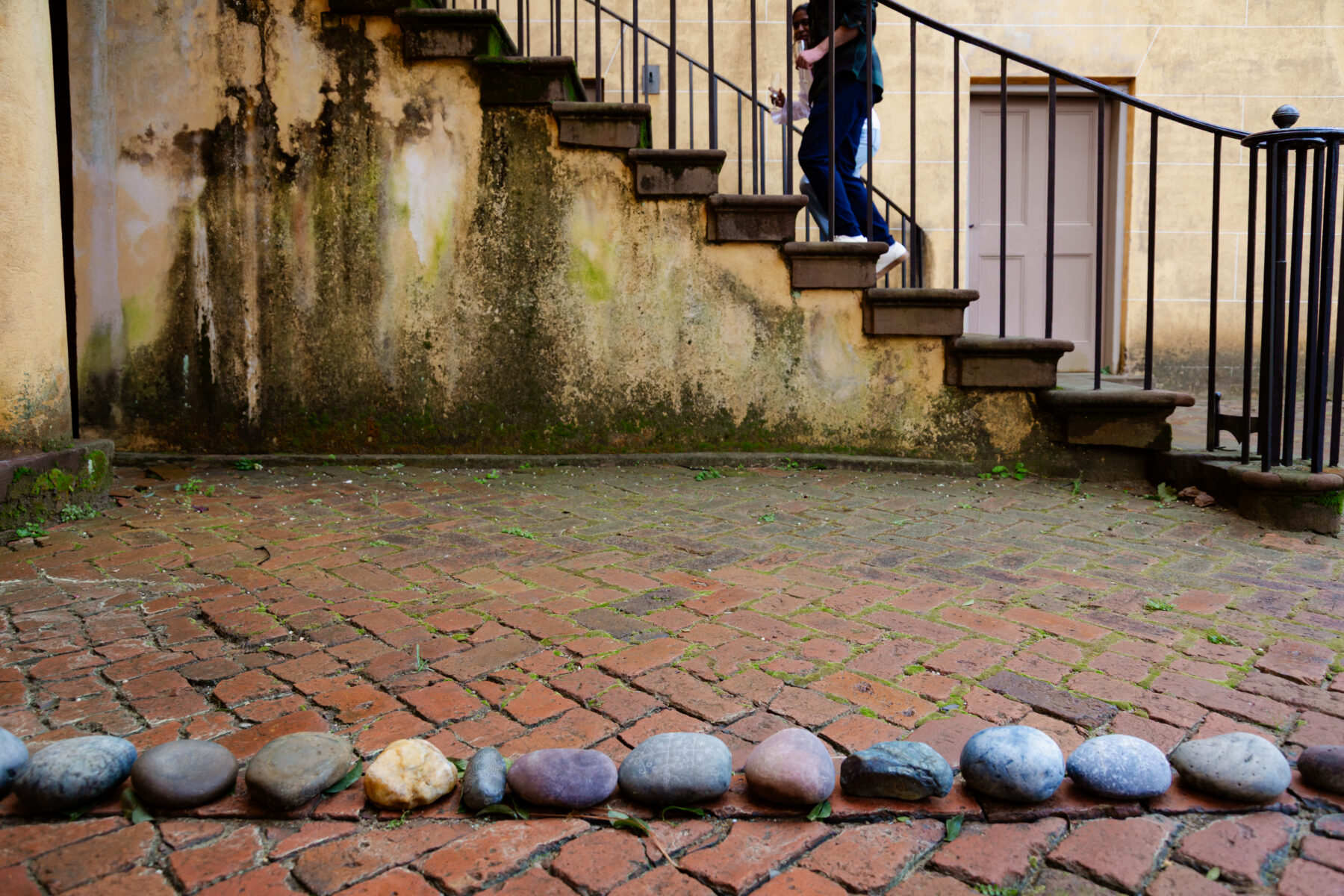
"Rivers of my Fathers, No. 2," (detail) Monique de La Tour (2026)
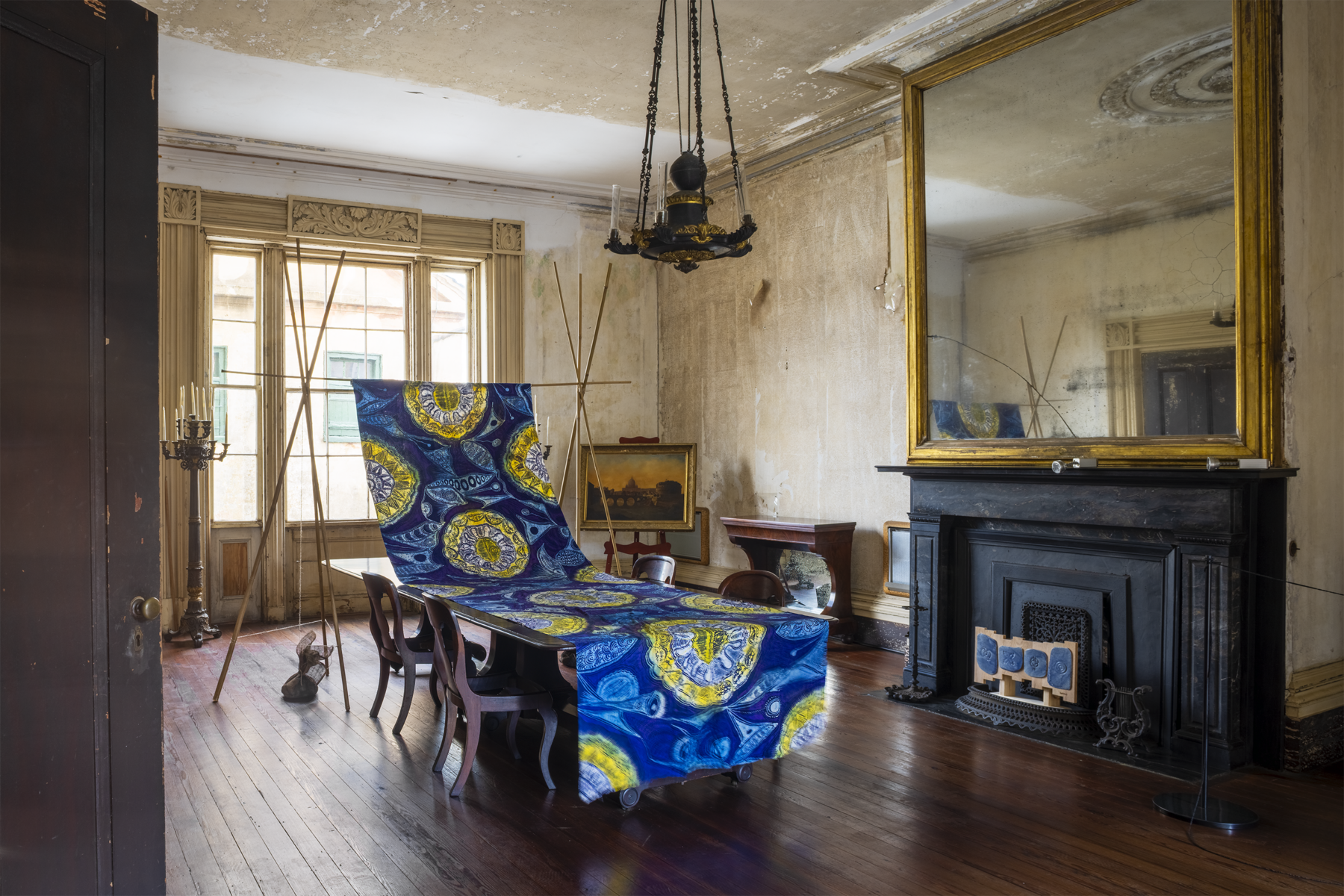
Process Textile: Adire Eleko Dress Length, Oshogbo, Yoruba culture, ca. 1992
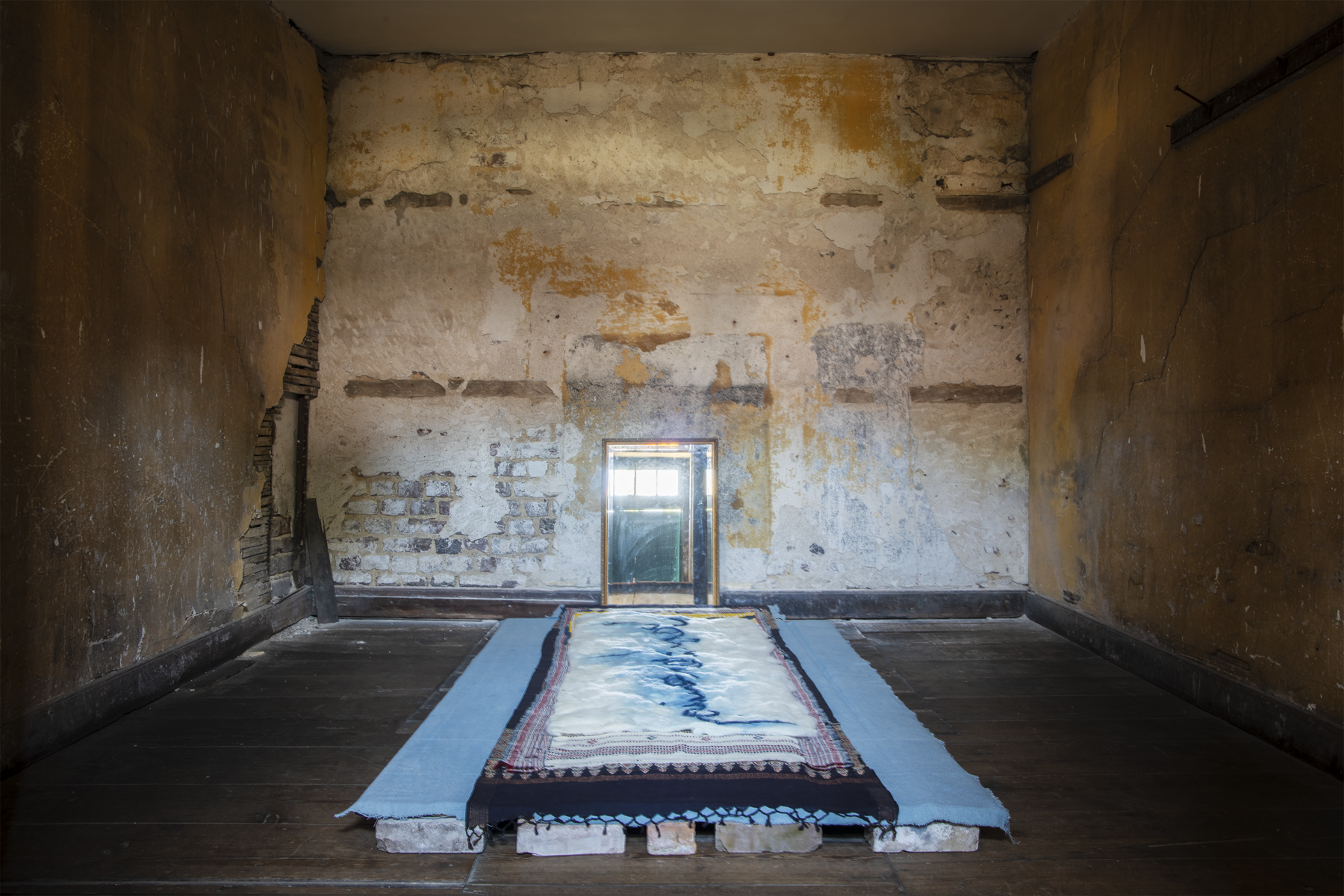
"We Are All Witnesses, Testari II," Amina Ahmed (2026)

"Collective Ripple,: Jim Martin (2026)
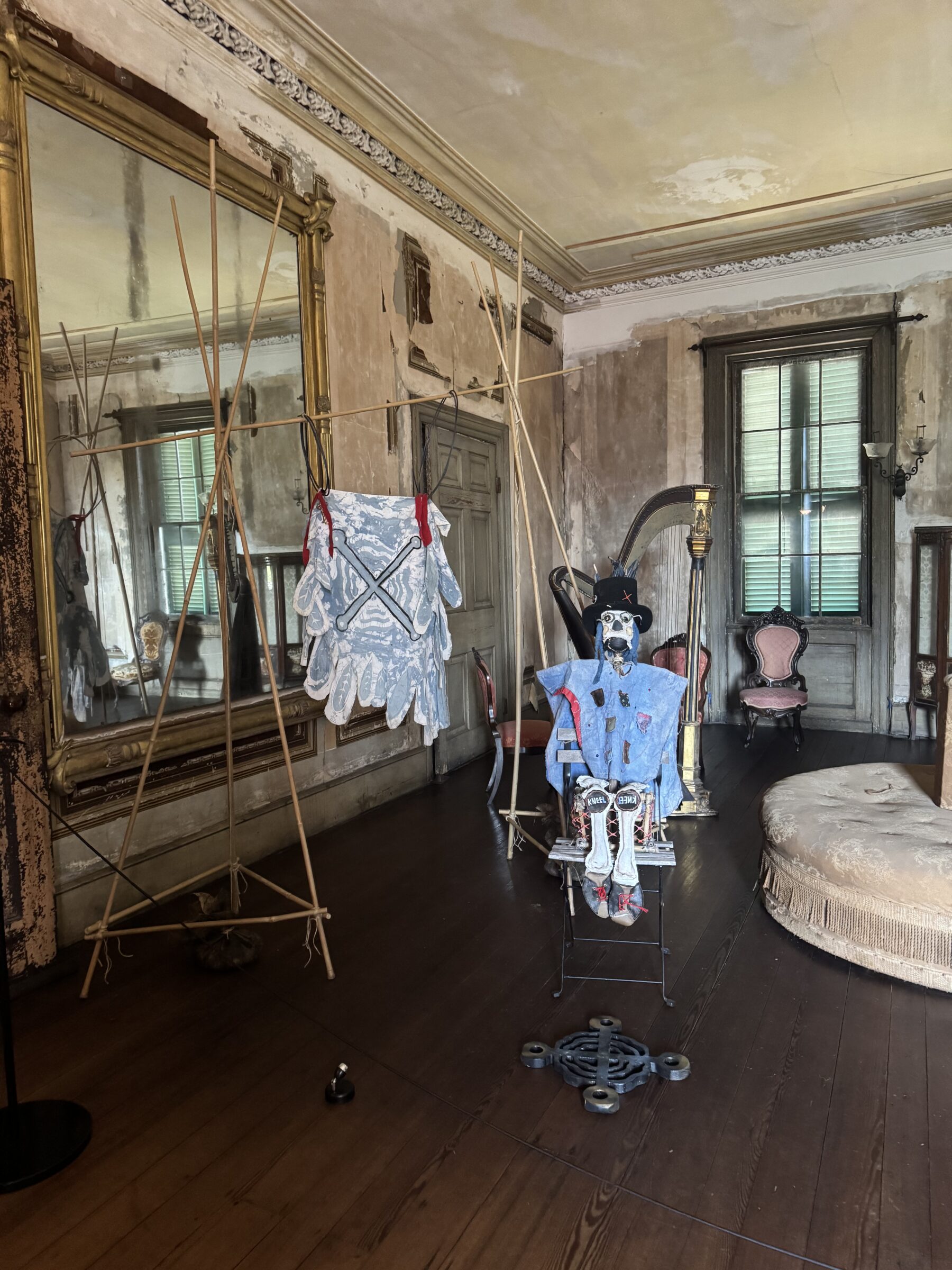
"Follow de Signs They Say," Nyugen E. Smith (2025)

"No Words Amen," Genesis Tramaine (2025)
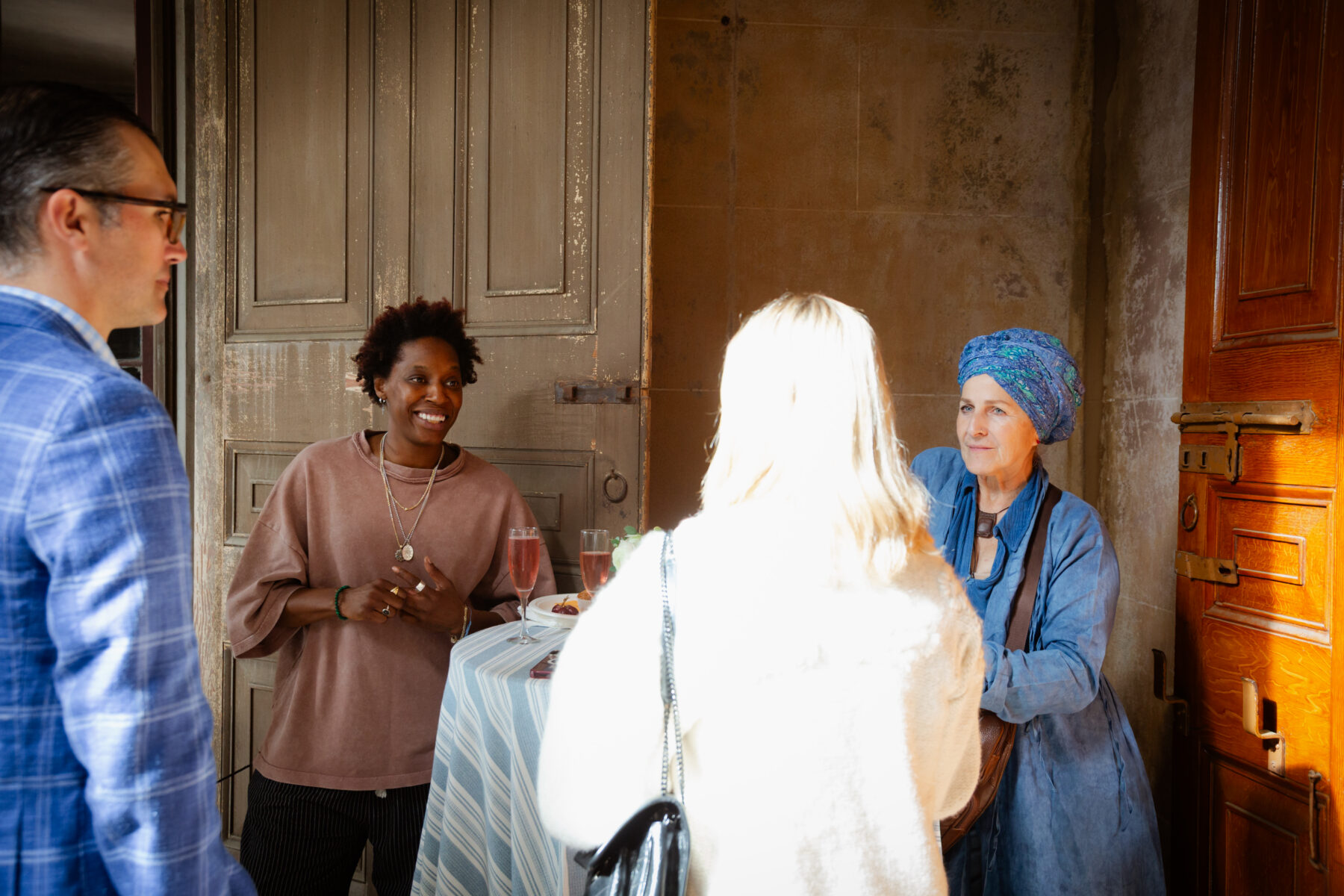
Genesis Tramaine and Monique de La Tour at the Aiken-Rhett House (2026)
Read