
Inspired Garden Party + Open Studios
Charleston, SC | Fall 2026
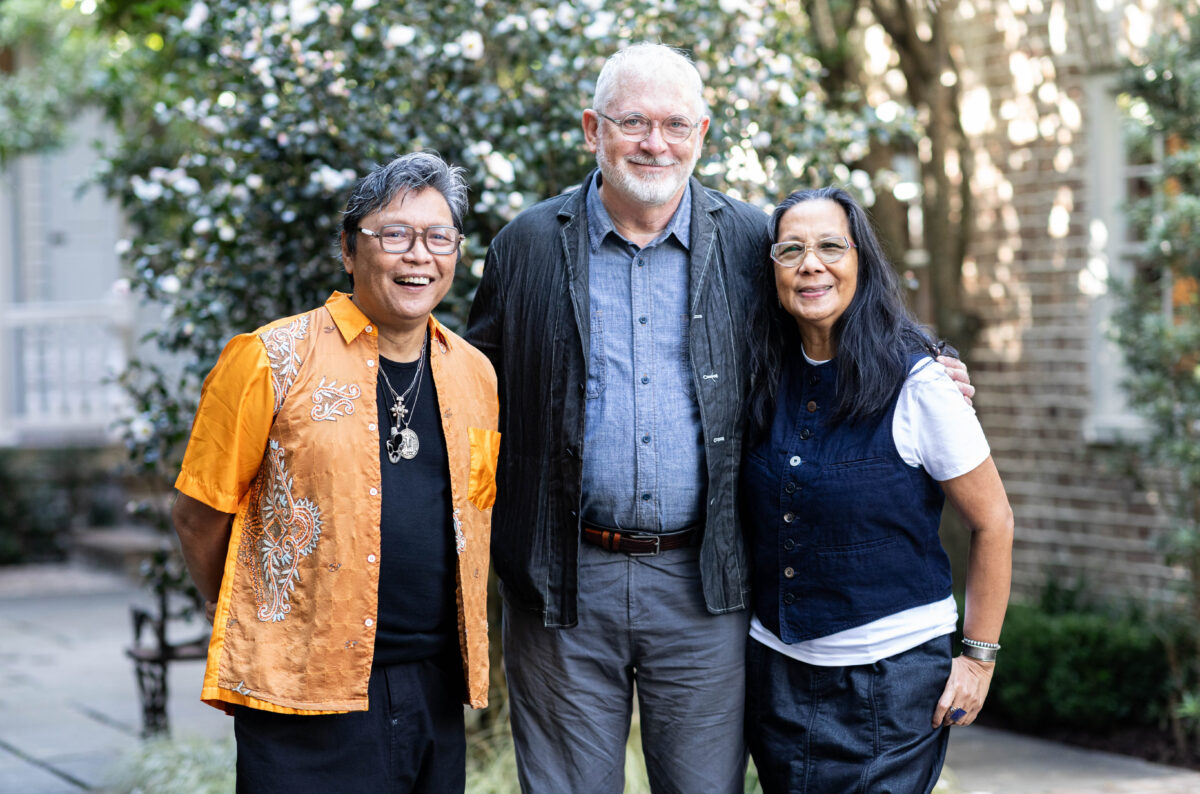
FSA’s Inspired Garden Party + Open Studios honored Fall 2026 Artists-in-Residence Alfonse Borysewicz and Isabel and Alfredo Aquilizan. In an interesting parallel, the bodies of work they produced in Charleston were inspired by their respective experiences with Catholic faith traditions. Borysewicz’s explorations are extensions of his lifelong work. He acquired a deep knowledge of Catholic teachings during his early years in seminary. His later artistic career has been driven by both his faith and his commitment to exploring its contemporary visual dimensions. Borysewicz employs figurative imagery, symbols, motifs, colors, and materials to meaningfully address subjects encompassing Christology, theology, ecclesiology, the role of faith in contemporary life, and reflections on community and divine grace. The works produced in his FSA studio—sculptural assemblages, textile panels, collages, and mixed-media paintings—issued from Borysewicz’ efforts to intentionally link his Charleston experience with other personally, and canonically, significant times, places, meditations, and visual concerns.
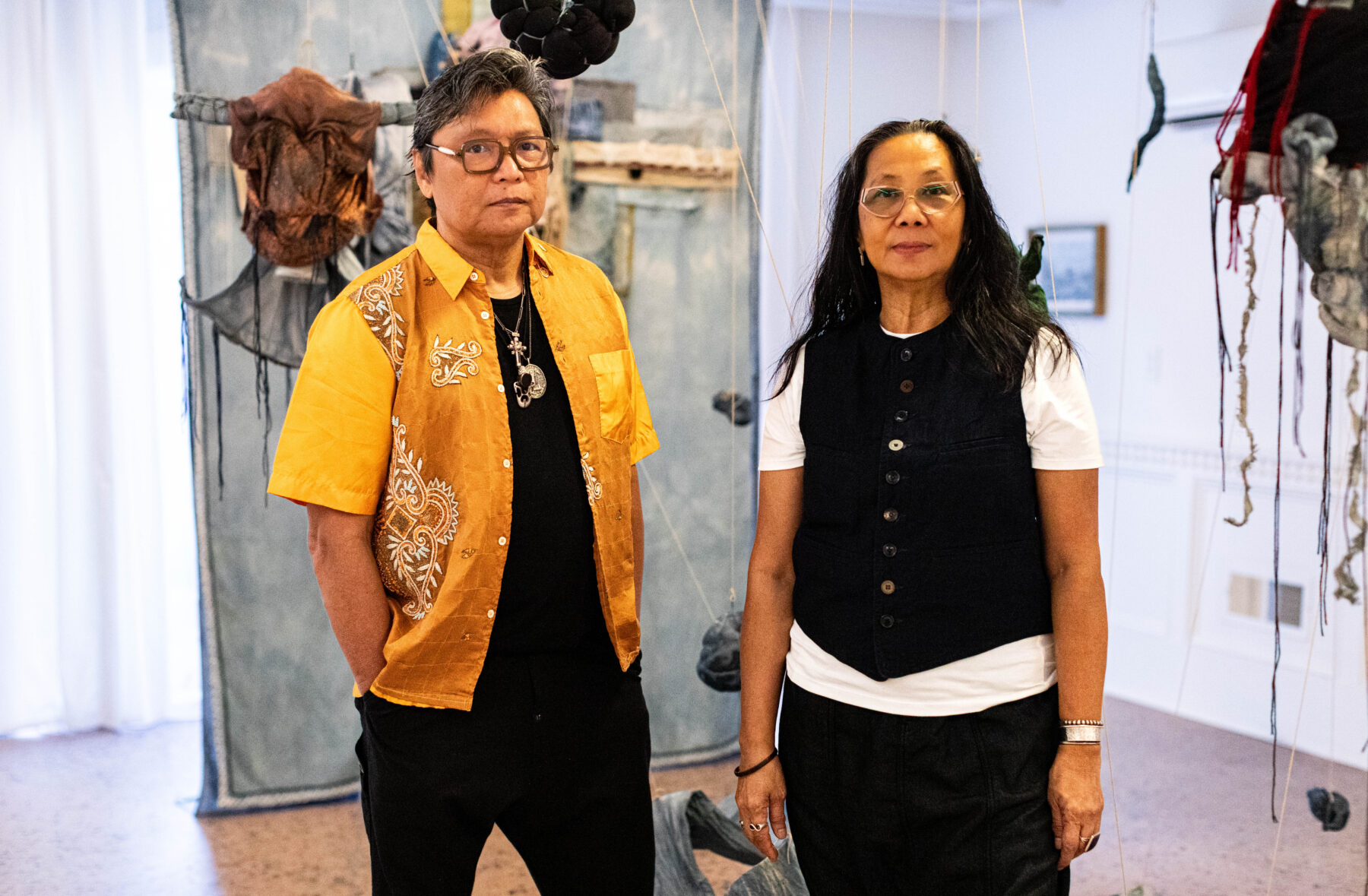
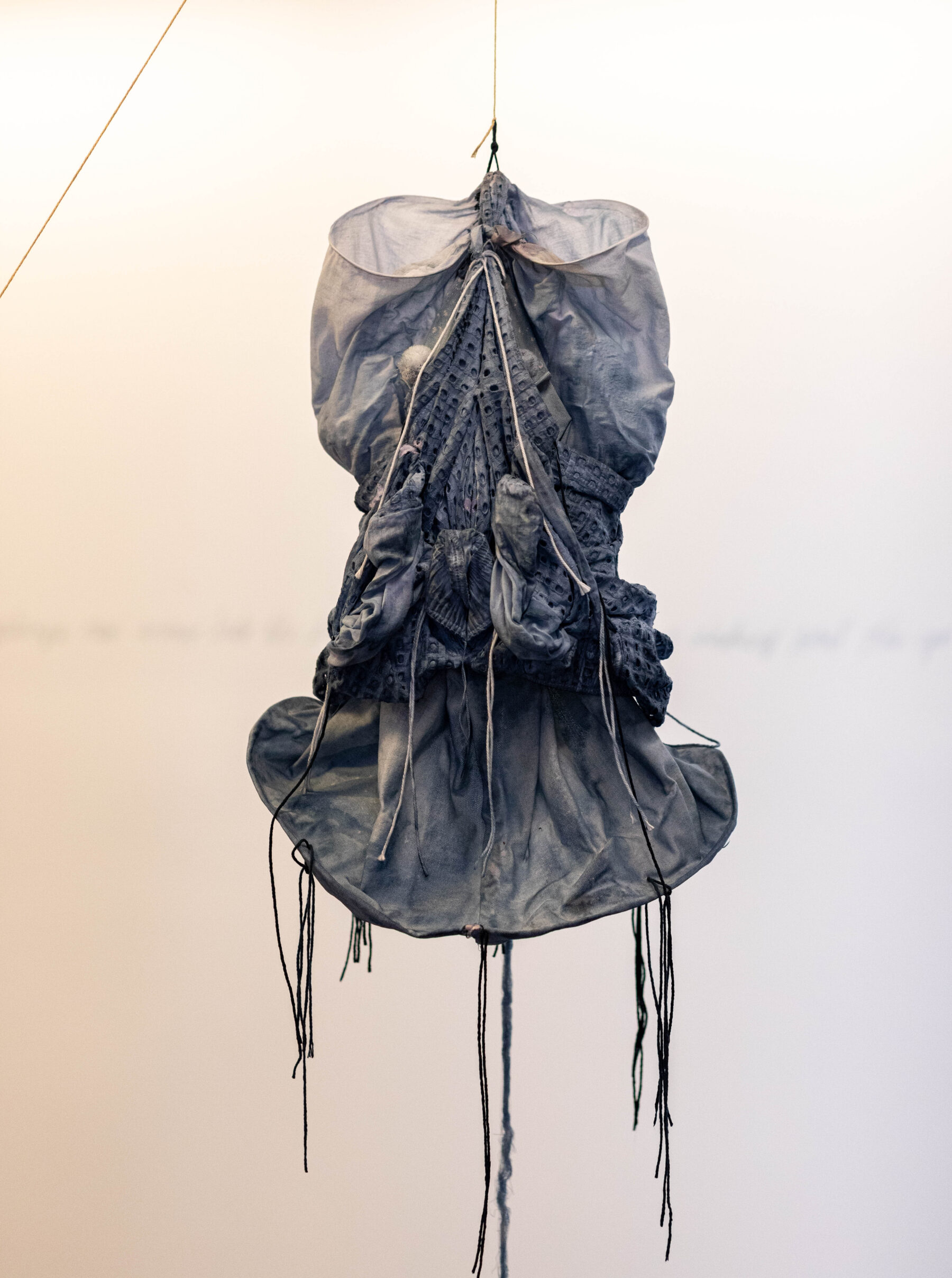
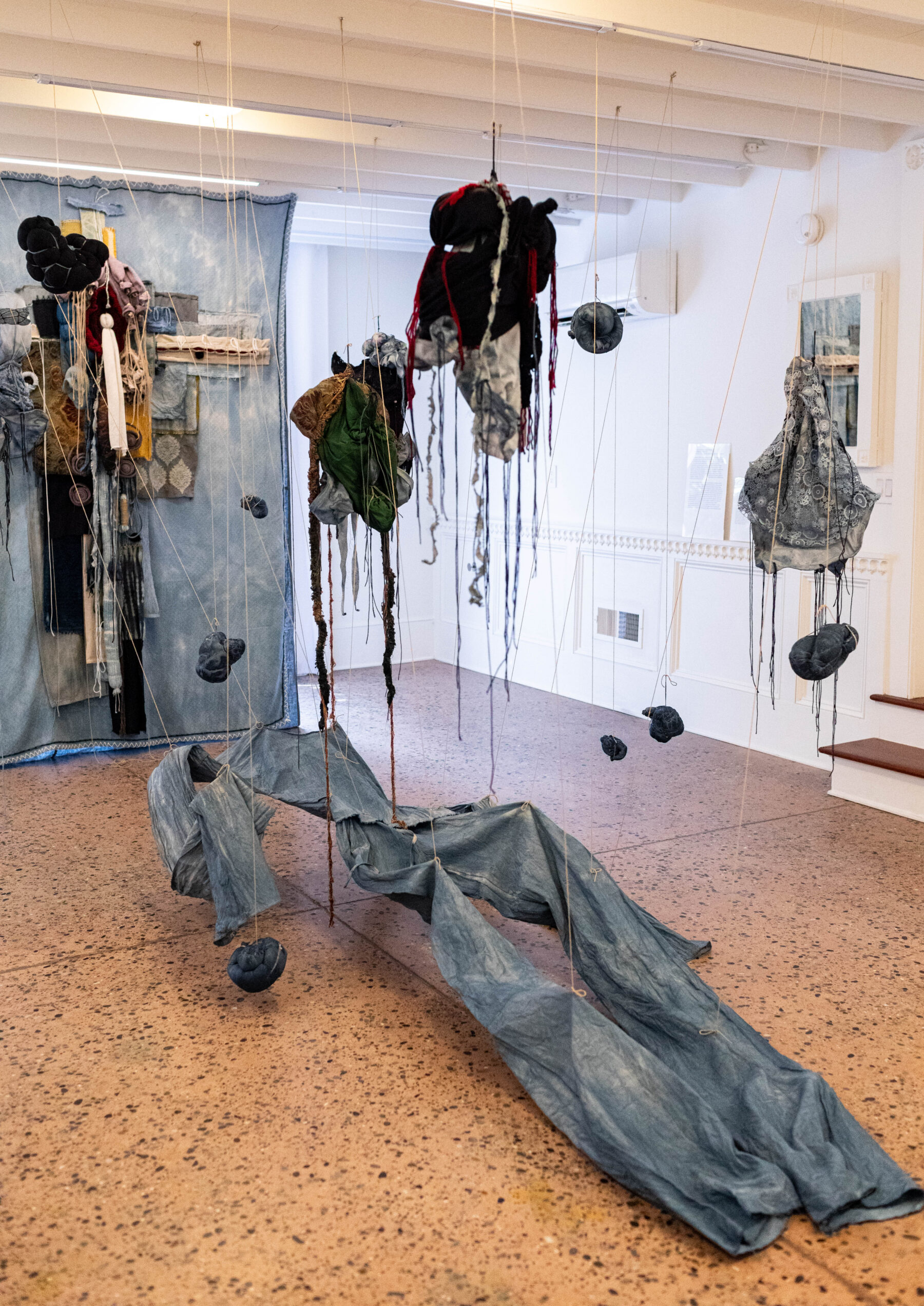
The Philippines is a majority Catholic country, and the Aquilizans have long been familiar with its teachings, rituals, and visualities. While this aspect of their personal background is not often explicit in their work, they began to explore it after encountering a painting by Manuel Ocampo featuring a capirote, a pointed hood associated with Catholic penitents. In considering this emblem of faith, within the built environment of Charleston and its history of enslavement, the Aquilizans proceeded, over the six weeks of their residency, to produce an extraordinary range of works that spoke to the multivalent nature of textiles, clothing, masks, ritual, and the body. During the residency, the Aquilizans also had the opportunity to work extensively with indigo dye. This substance profoundly connected their explorations in Charleston to the idea of a homeland, forging conceptual links with longstanding artistic concerns and linking the Lowcountry to the indigo-growing area of the northern Philippines where Alfredo was born. For all three artists whom FSA hosted this season, the residency created a space in which to consider the power of art and of art-making to meaningfully connect the diversity of human experience.
Please see below for a video interview and photo documentation for each artist-in-residence.
Alfonse Borysewicz
Five oil paintings on canvas anchored Alfonse Borysewicz’s FSA studio installation. Produced over the last several years, the artist brought them to Charleston as a way to connect his past with his present residency work. They addressed subjects ranging from the artist’s biography to the multi-layered functions of religious icons.
Isabel and Alfredo Aquilizan
The title of Isabel and Alfredo Aquilizan’s installation, Mass/kara: Liminality and Transition, plays upon the Tagalog words maskara, a mask or disguise, and kara, a face. It also references the Mass/Kara (multitude of faces), an annual festival in Bacalod, Philippines, which prominently features the wearing of masks. That “mass” also references Catholic liturgy is not coincidental; the Aquilizans’ investigations were inspired by capirote, pointed hoods that are still worn by Catholic penitents in the Philippines and other parts of the world.
Select Images and Media

FSA Inspired Garden Party + Open Studios, Fall 2026.
FSA Inspired Garden Party + Open Studios, Fall 2026.
FSA Inspired Garden Party + Open Studios, Fall 2026.
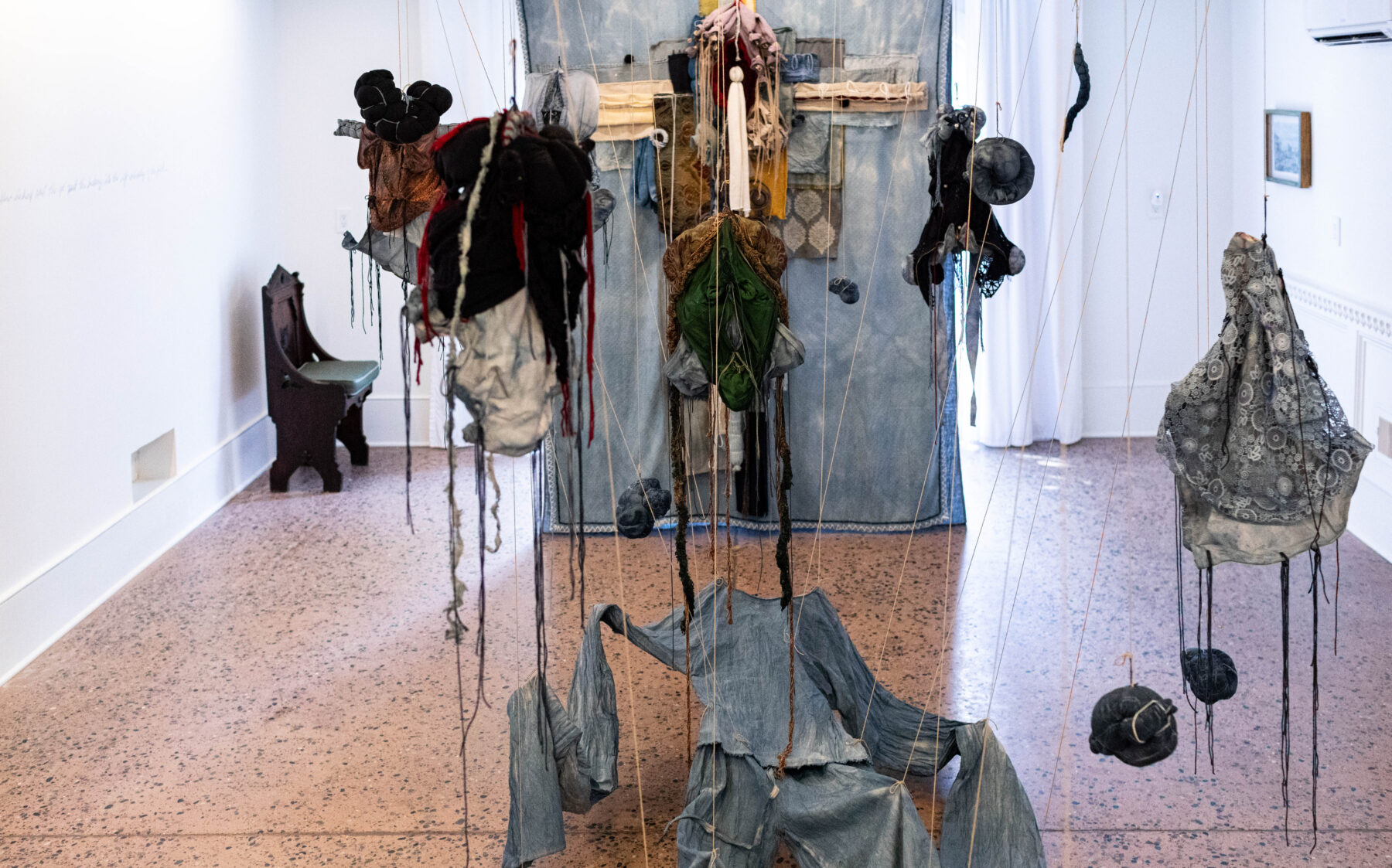
FSA Inspired Garden Party + Open Studios, Fall 2026.
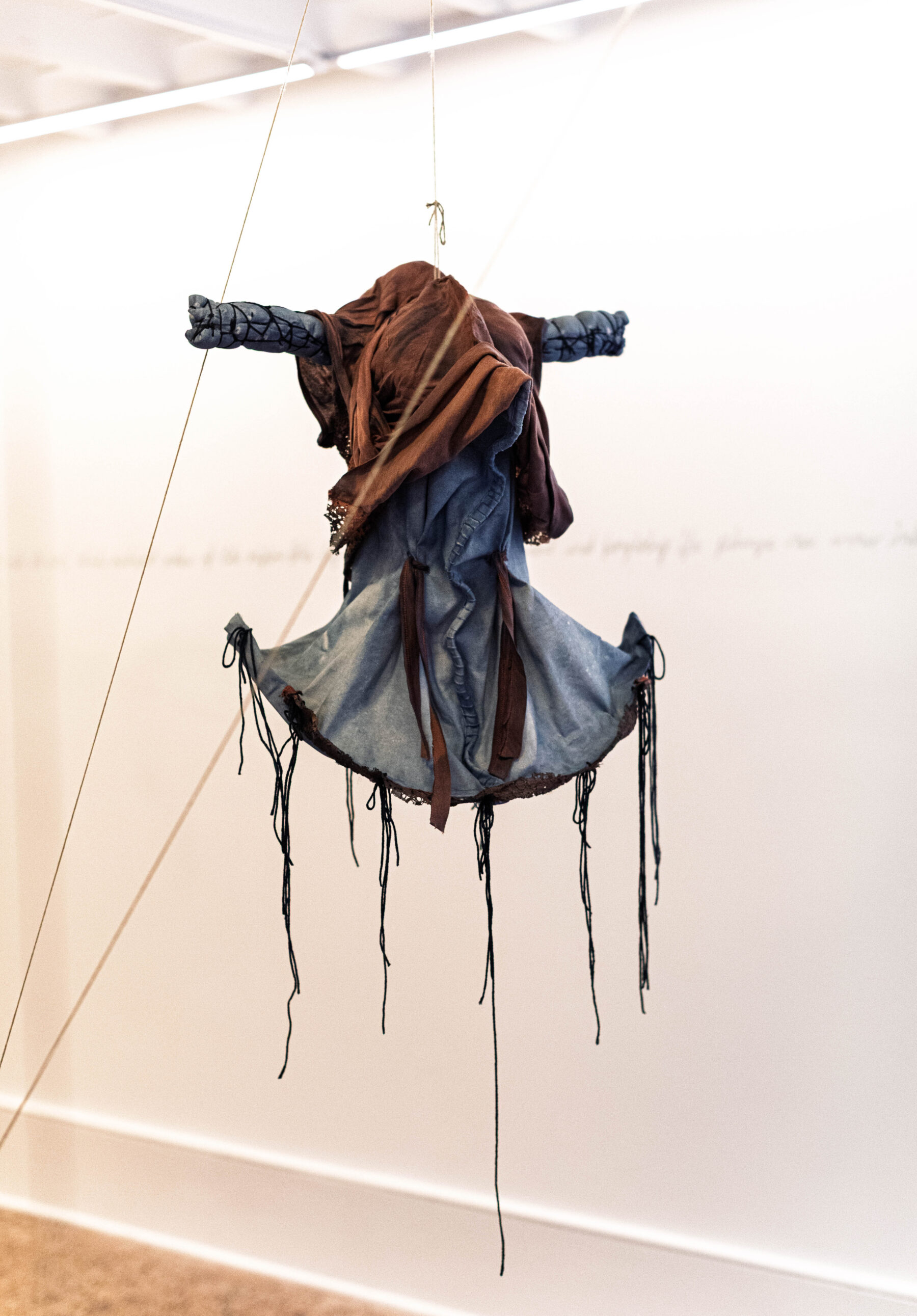
FSA Inspired Garden Party + Open Studios, Fall 2026.
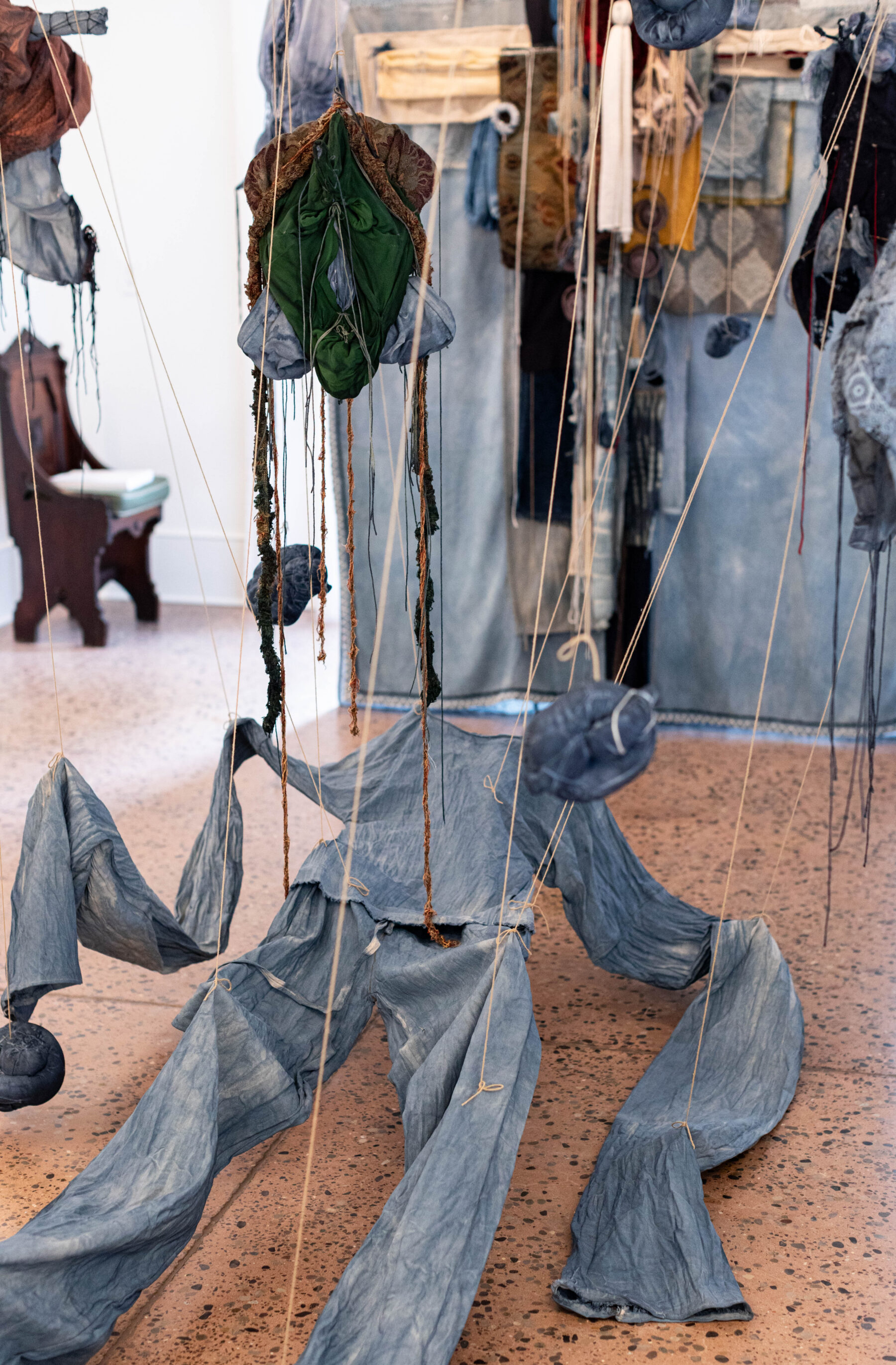
FSA Inspired Garden Party + Open Studios, Fall 2026.
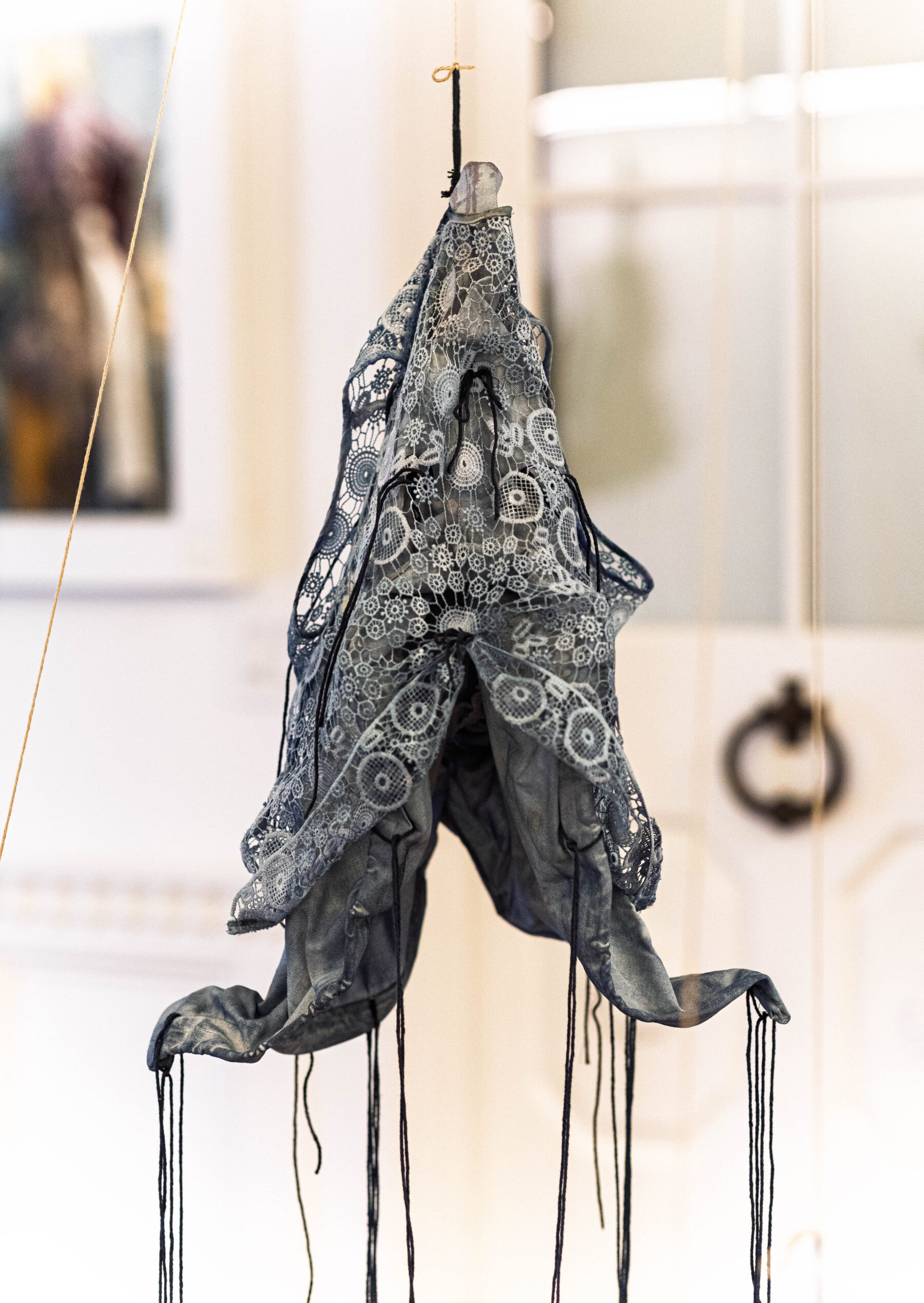
FSA Inspired Garden Party + Open Studios, 2026.

FSA Inspired Garden Party + Open Studios, 2026.

FSA Inspired Garden Party + Open Studios, Fall 2026.
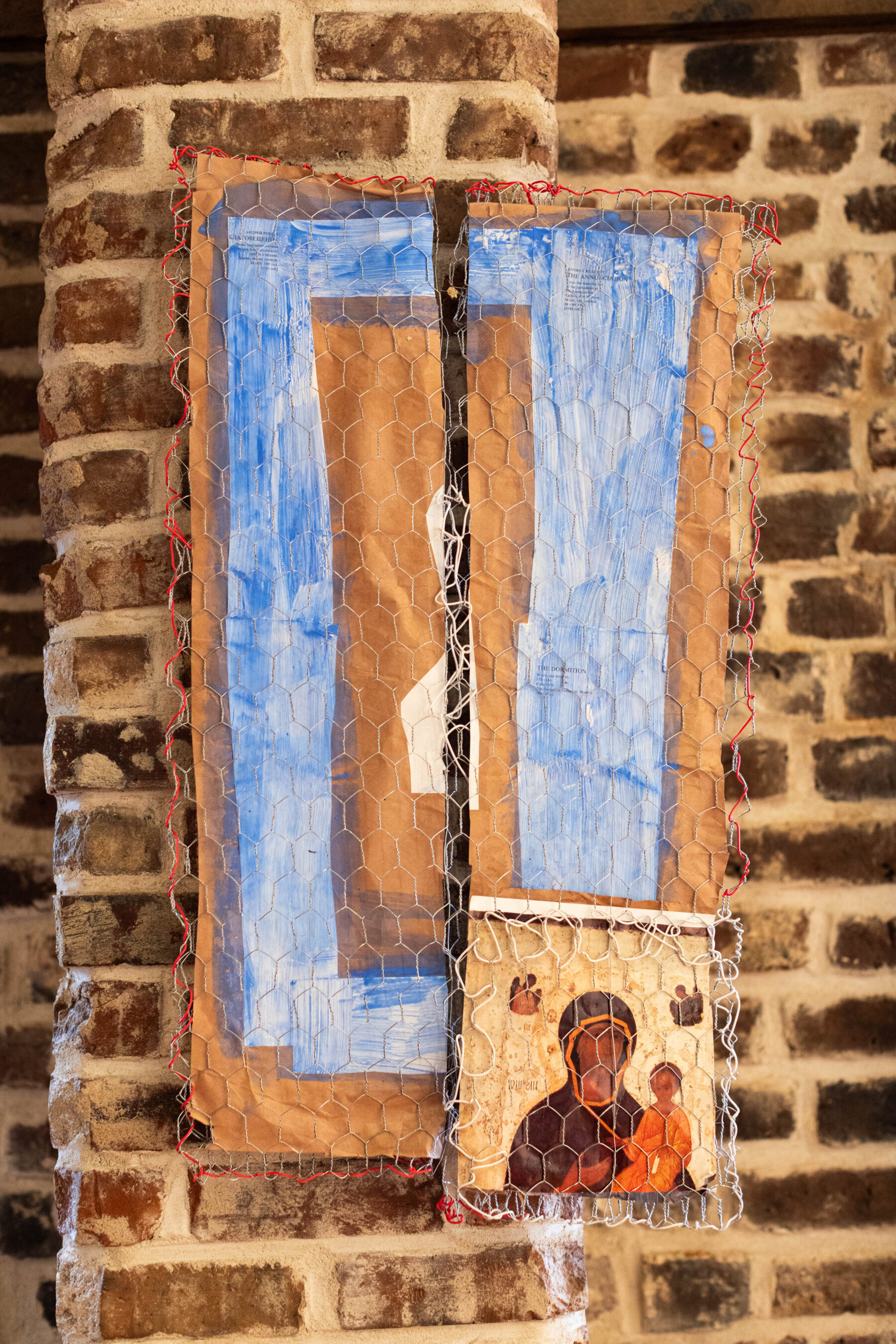
FSA Inspired Garden Party + Open Studios, Fall 2026.
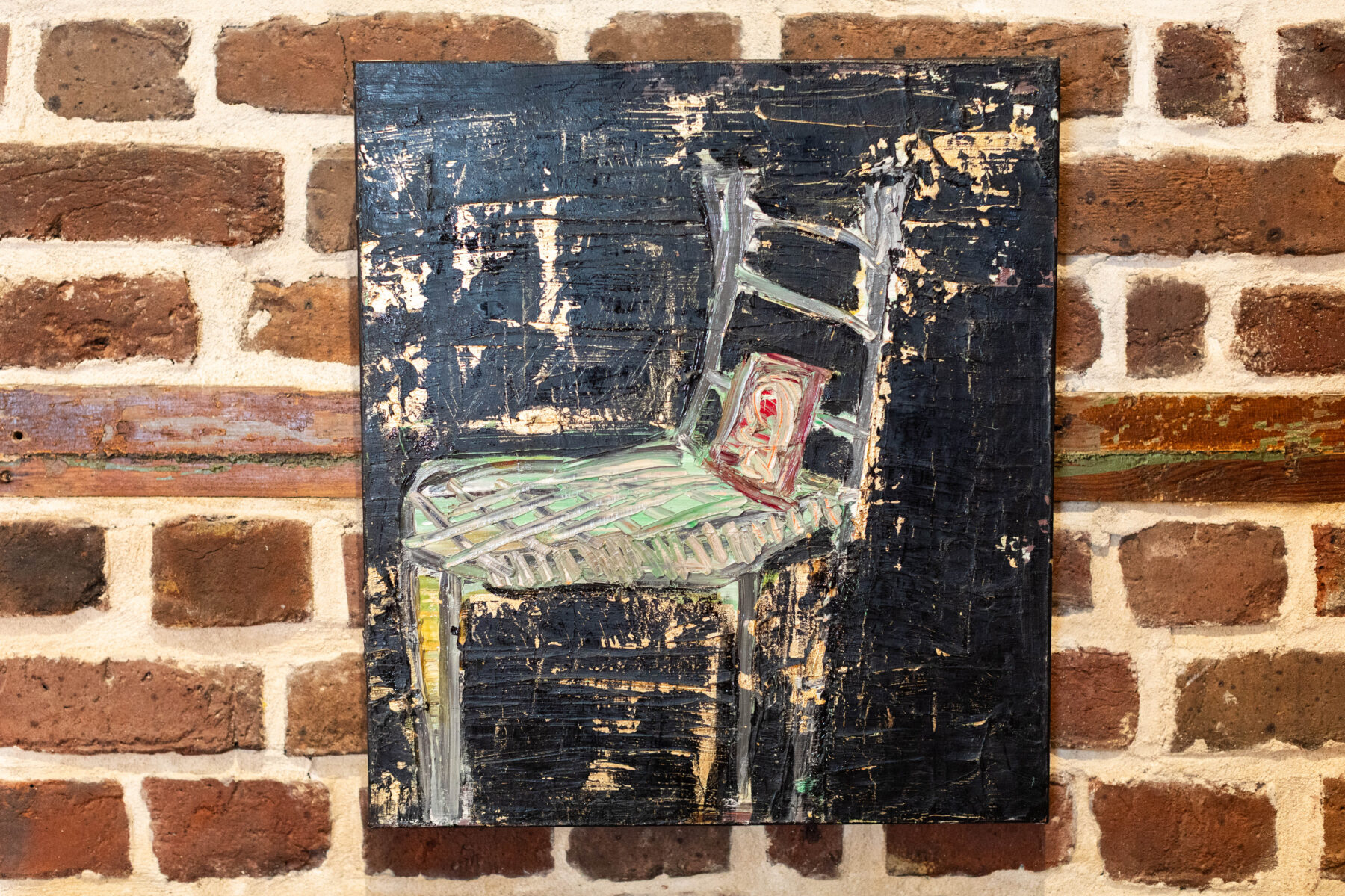
FSA Inspired Garden Party + Open Studios, Fall 2026.
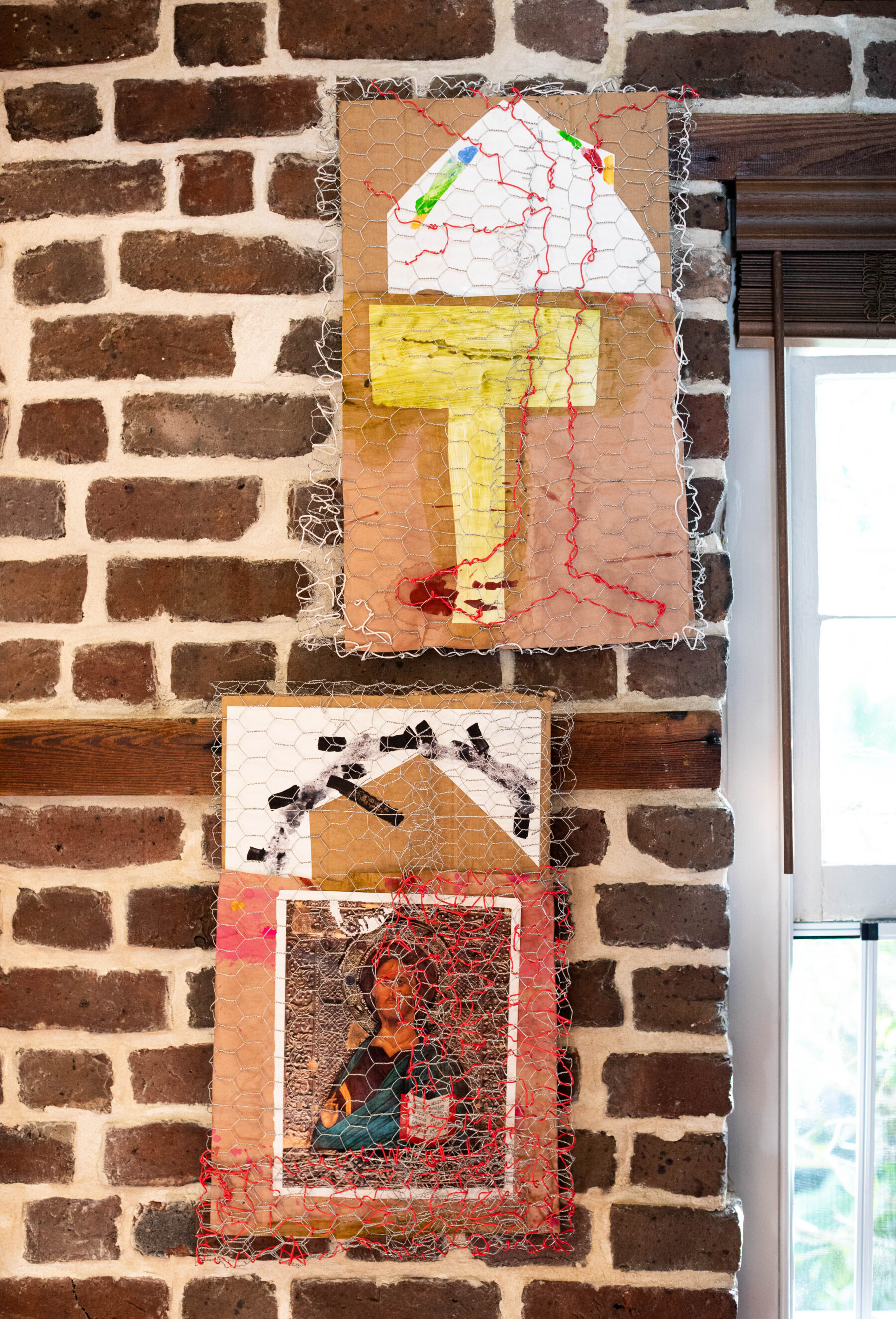
FSA Inspired Garden Party + Open Studios, Fall 2026.
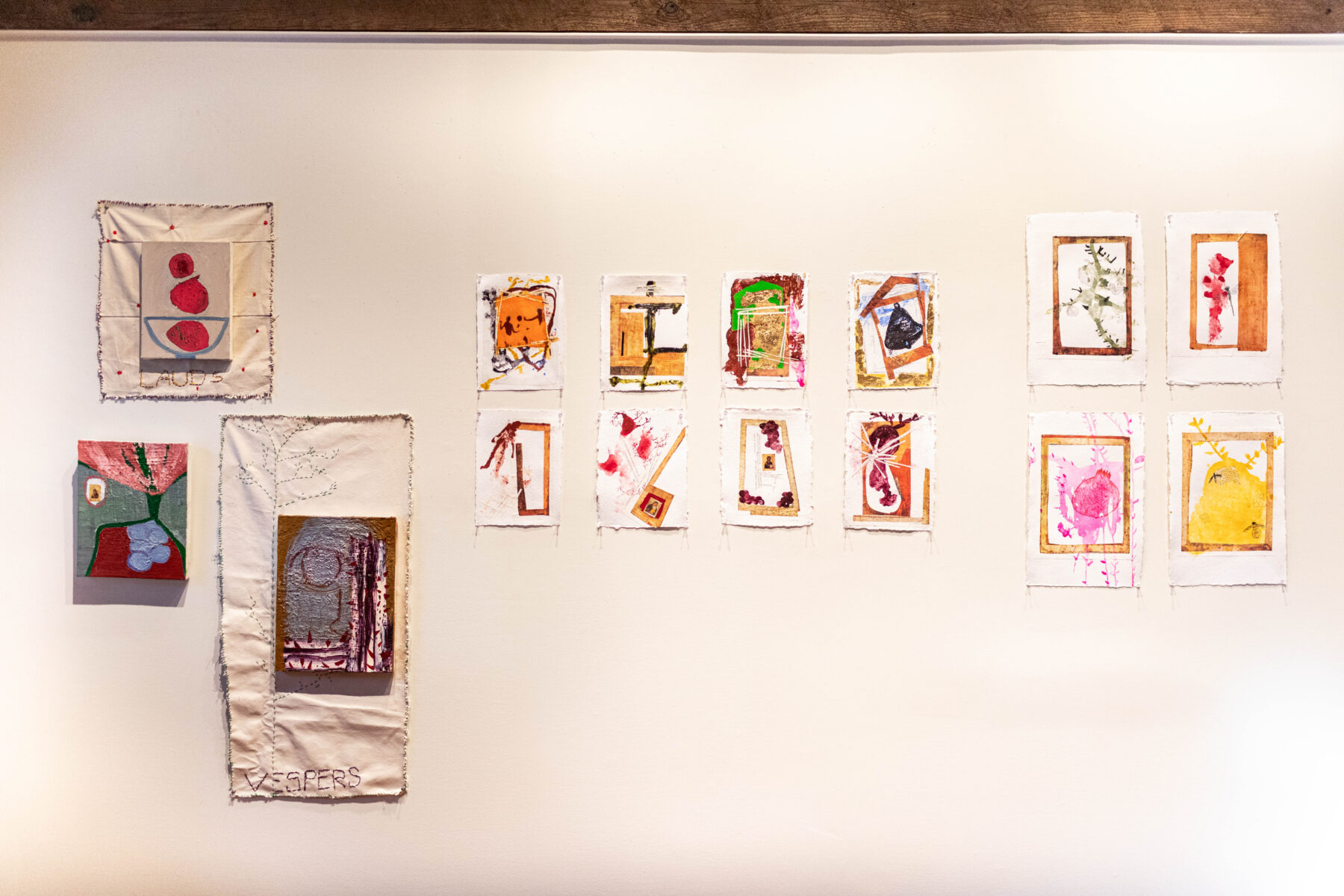
FSA Inspired Garden Party + Open Studios, Fall 2026.
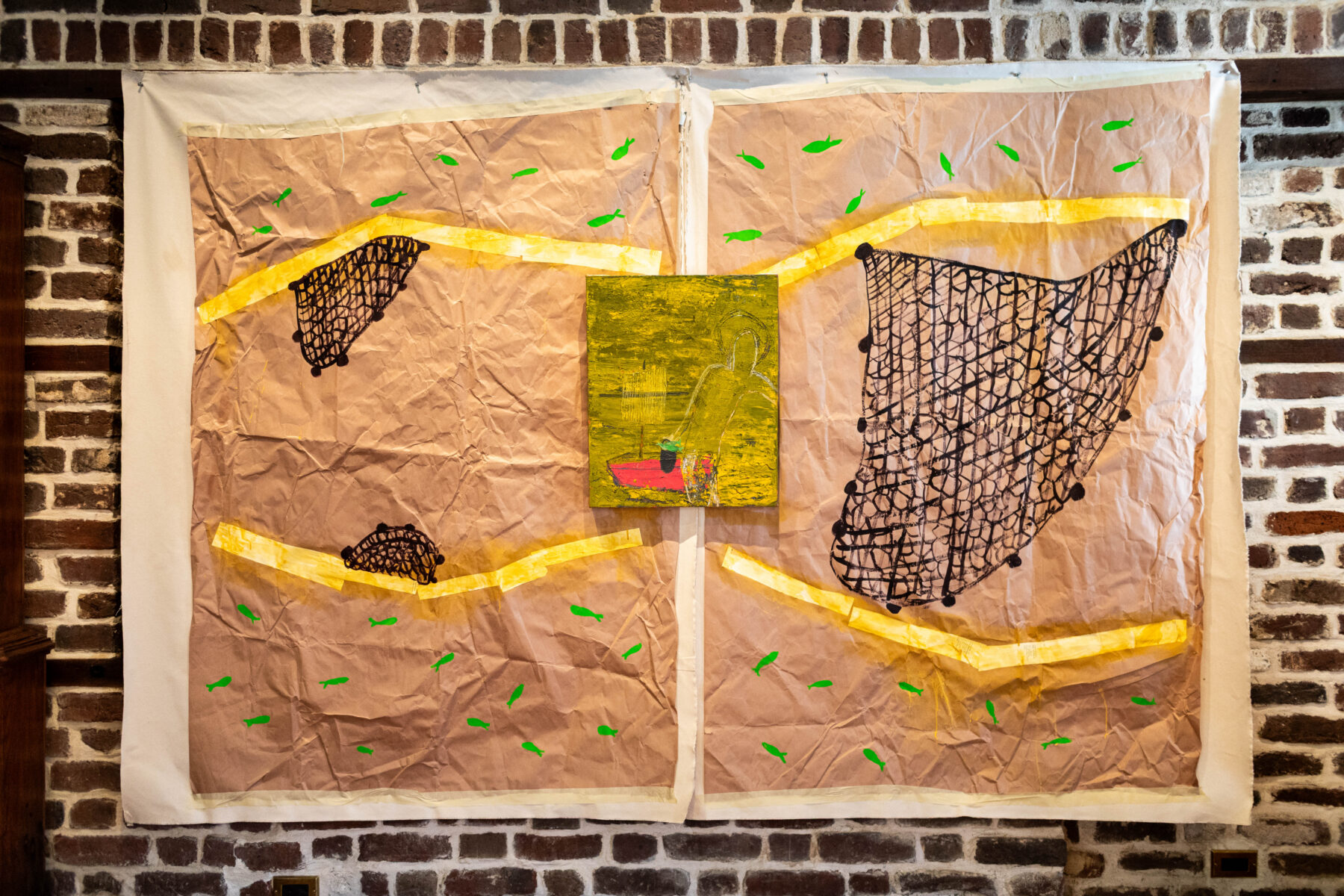
FSA Inspired Garden Party + Open Studios, Fall 2026.
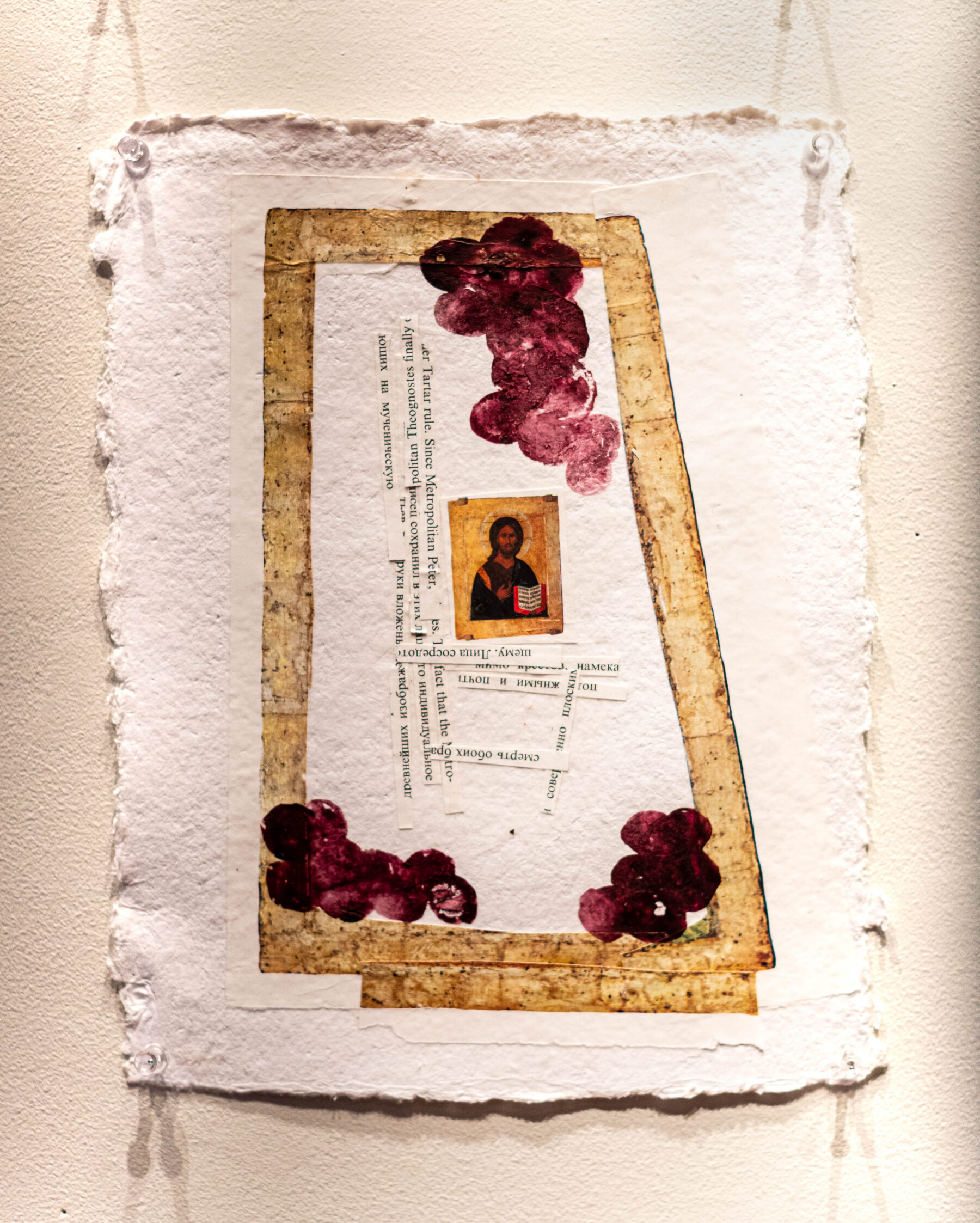
FSA Inspired Garden Party + Open Studios, Fall 2026.
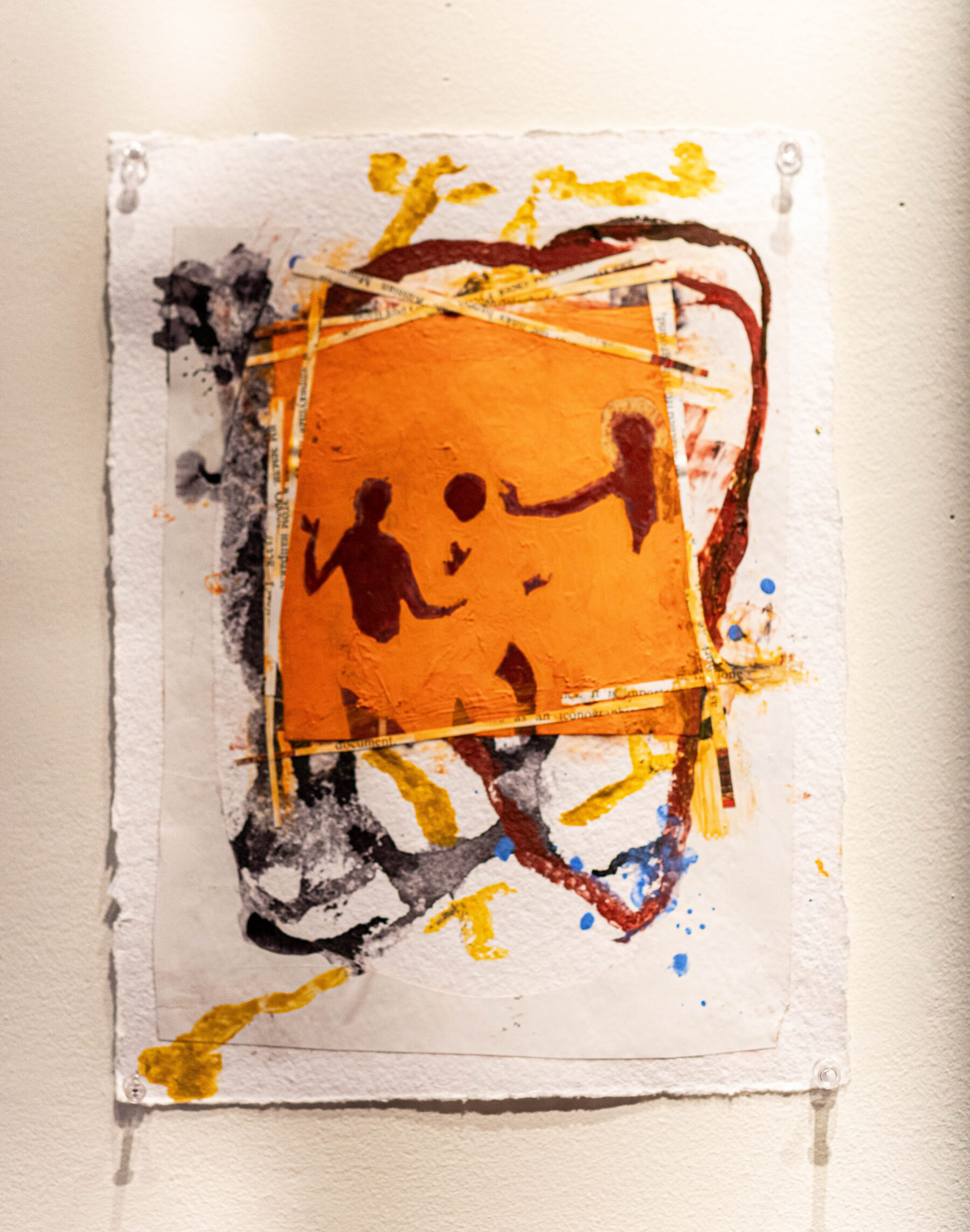
FSA Inspired Garden Party + Open Studios, Fall 2026.
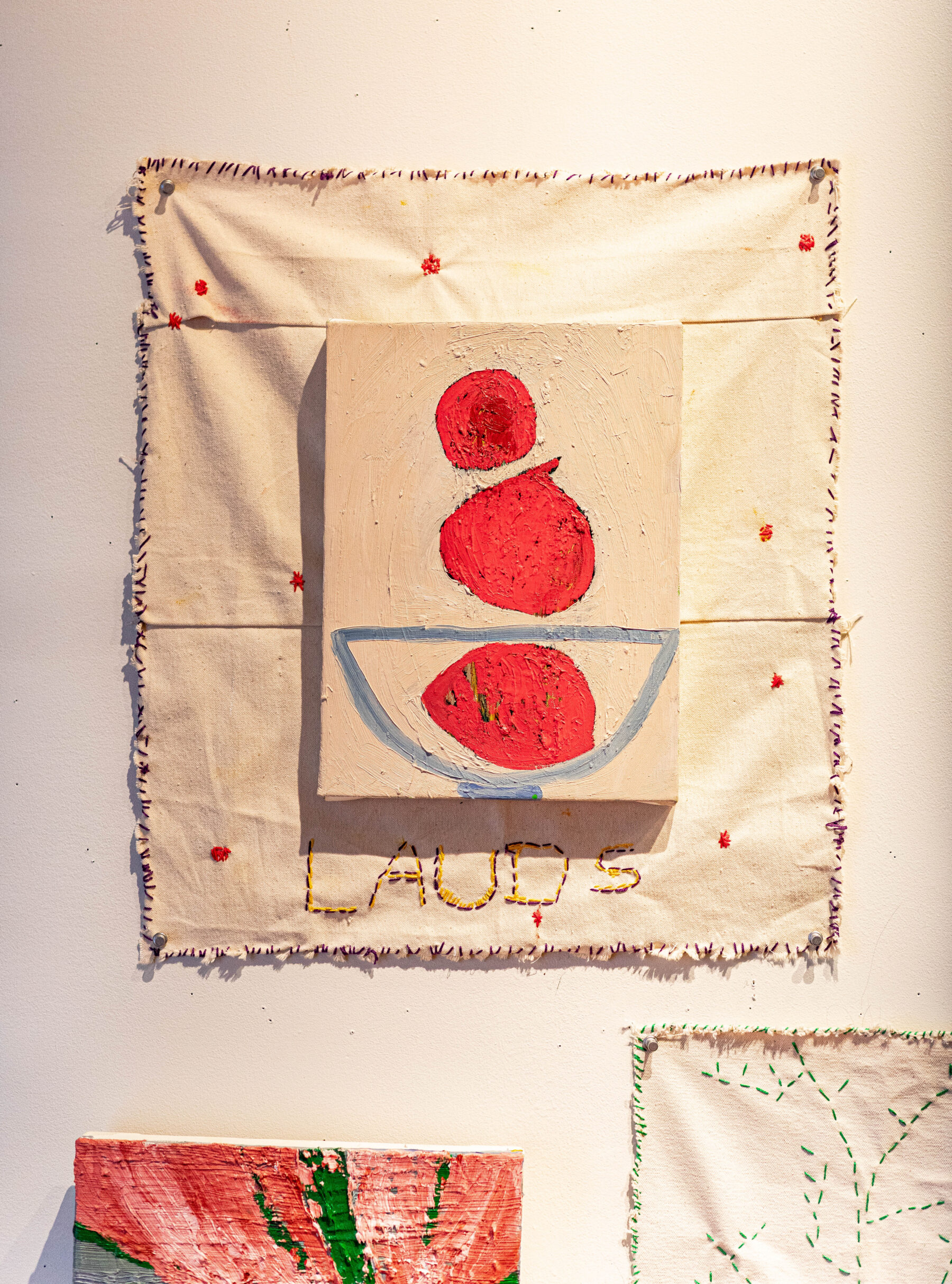
FSA Inspired Garden Party + Open Studios, Fall 2026.
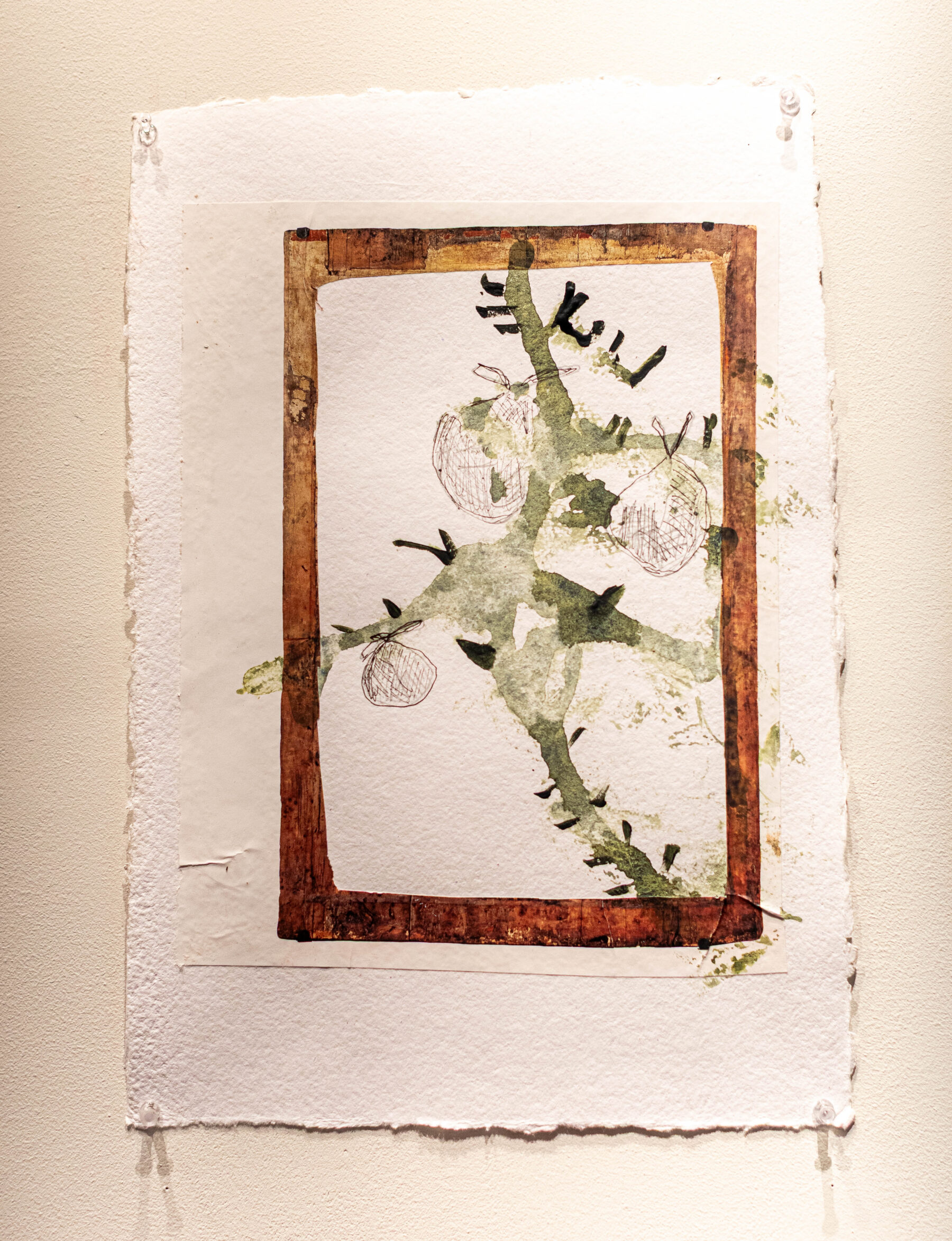
FSA Inspired Garden Party + Open Studios, Fall 2026.
FSA Inspired Garden Party + Open Studios, Fall 2026.
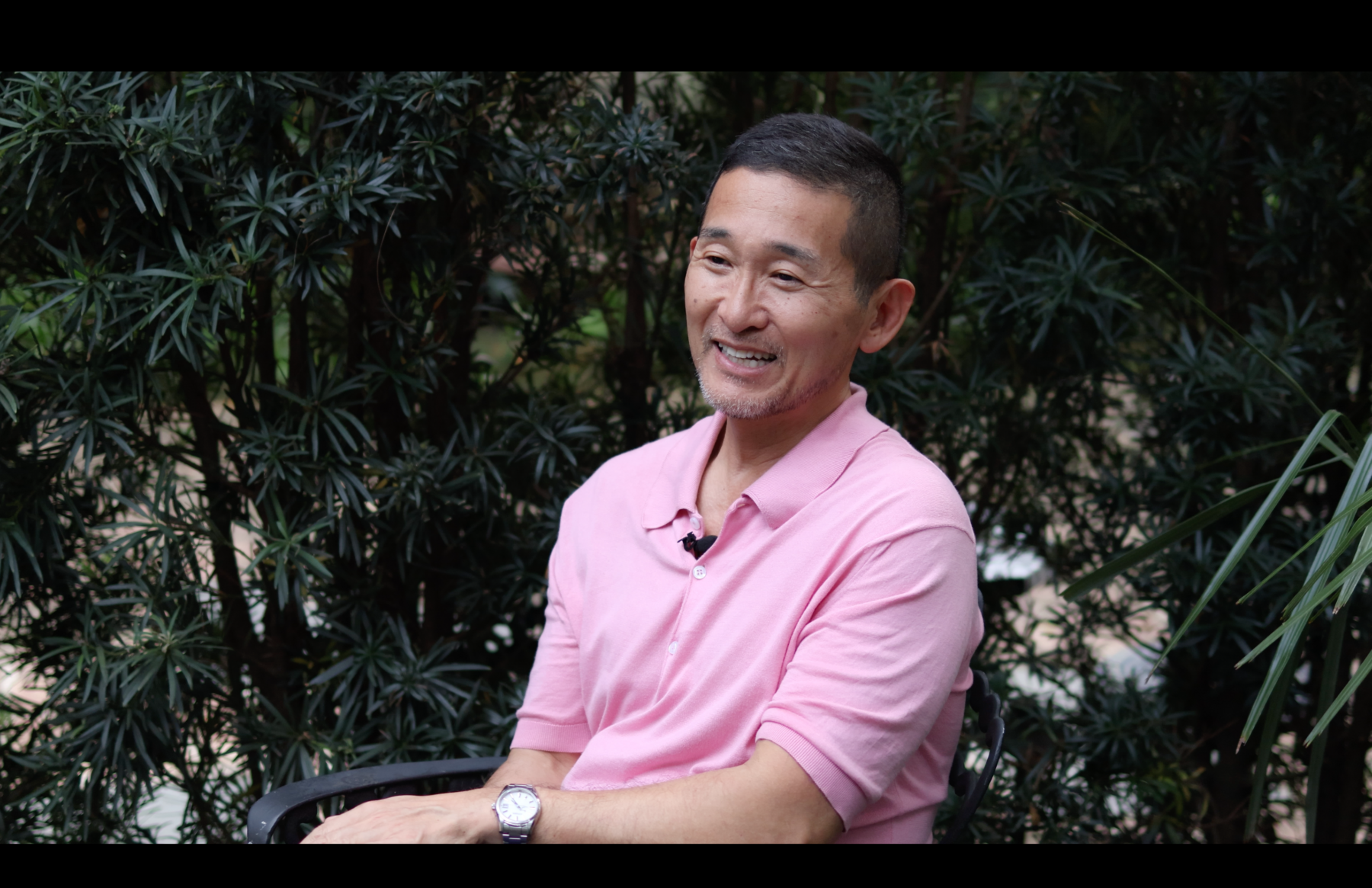
Yasufumi Nakamori, November 2026.

Yasafumi Nakamori and Alfredo Aquilizan, October 2026.

FSA Inspired Garden Party + Open Studios, Fall 2026.

FSA Inspired Garden Party + Open Studios, Fall 2026.

FSA Inspired Garden Party + Open Studios, Fall 2026.
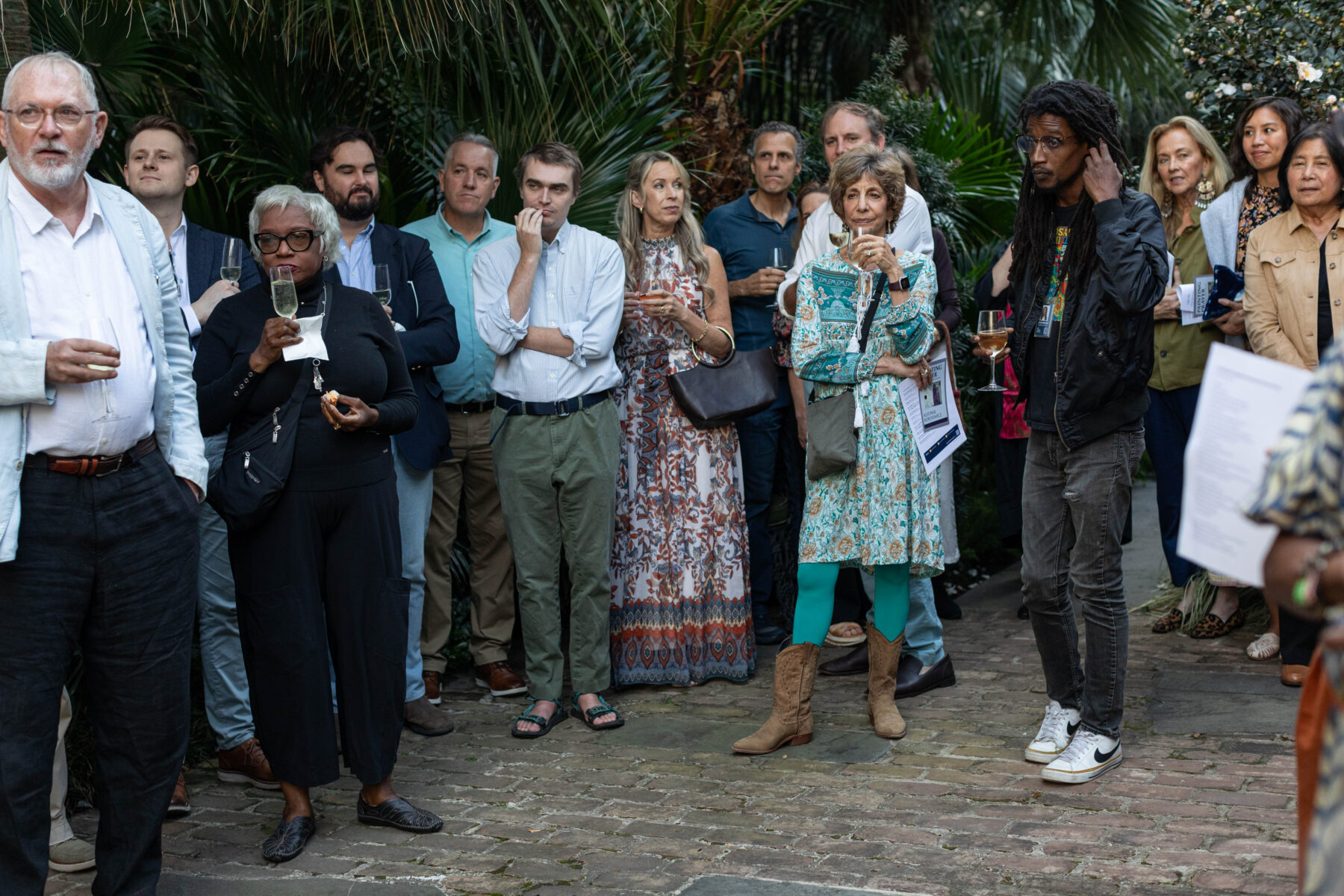
FSA Inspired Garden Party + Open Studios, Fall 2026.

FSA Inspired Garden Party + Open Studios, Fall 2026.
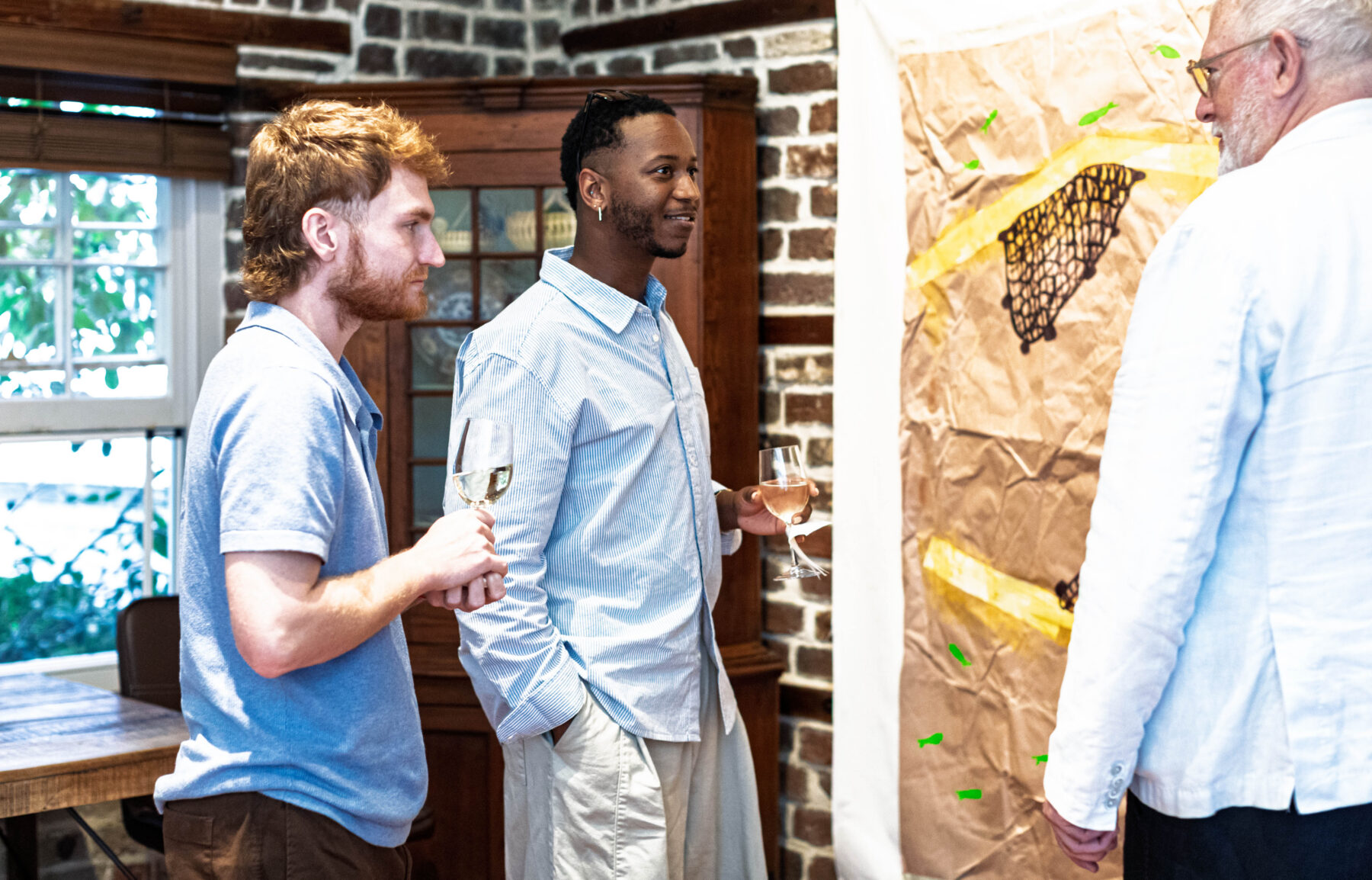
FSA Inspired Garden Party + Open Studios, Fall 2026.

FSA Inspired Garden Party + Open Studios, Fall 2026.
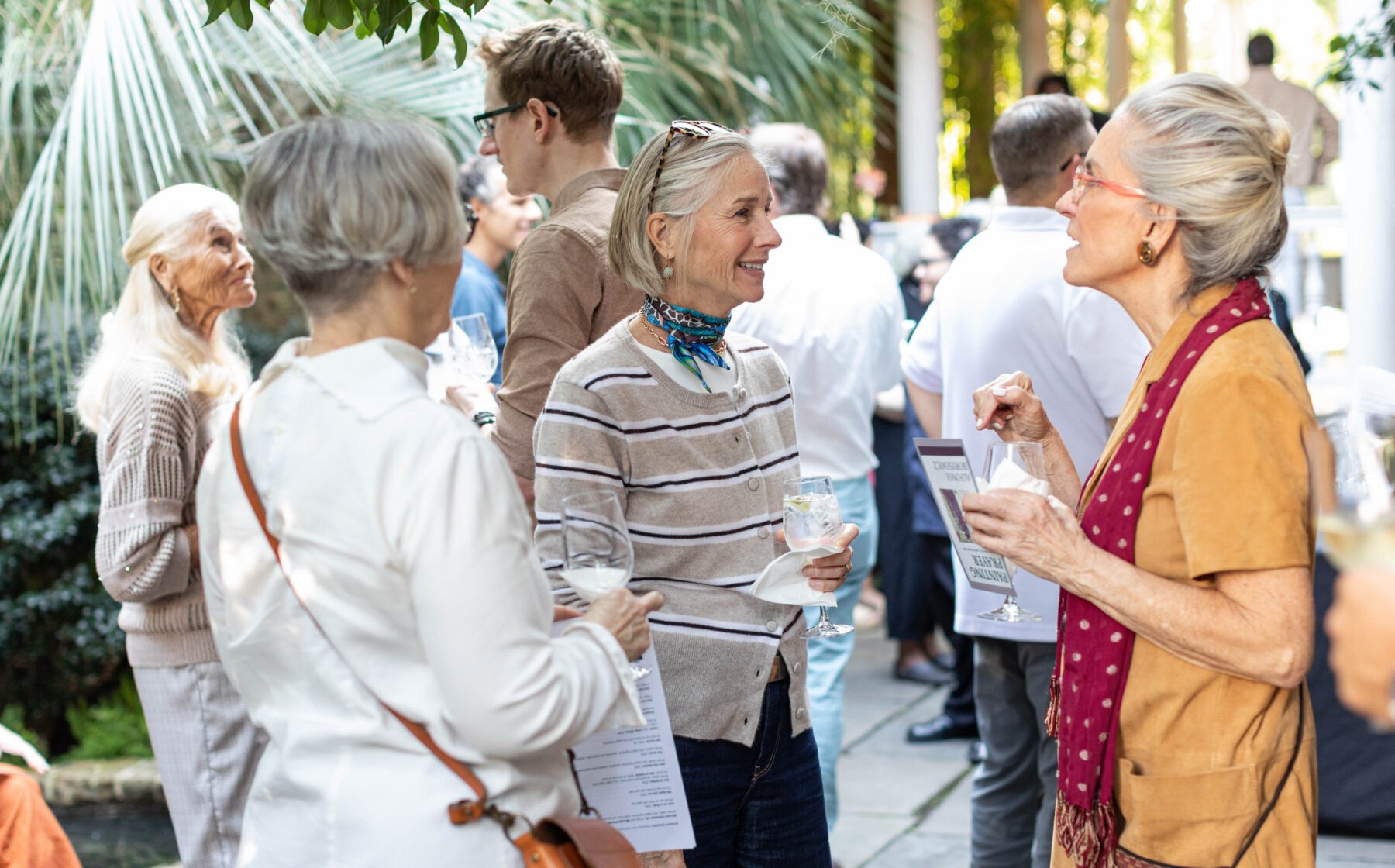
FSA Inspired Garden Party + Open Studios, Fall 2026.

FSA Inspired Garden Party + Open Studios, Fall 2026.
Read